Major Benefits of a Complete Oil Change Service at Your Local Service Center
A complete oil change at a local service center offers significant benefits for vehicle maintenance. It ensures that worn-out oil is replaced with top-grade oils, enhancing motor efficiency. Technicians conduct essential checks, uncovering possible problems in advance. This proactive method can result in improved gas mileage and lower maintenance expenses. Appreciating these benefits is essential for every car owner. What other factors should one examine when maintaining their vehicle's health?
How Often Should You Change Your Oil?
At what intervals should vehicle owners perform oil changes? This query frequently comes up among automotive hobbyists and daily commuters alike. As a rule, most manufacturers advise swapping out engine oil every 5,000 to 7,500 miles, though certain newer vehicles are capable of extending this range to 10,000 miles or beyond under particular circumstances. Key variables that determine oil change intervals encompass driving behavior, environmental conditions, and the category of oil being utilized. To illustrate, individuals who commonly deal with congested roadways or travel through severe temperature fluctuations may find themselves needing oil changes more regularly. Additionally, synthetic oils tend to provide better protection and can extend intervals between changes. Monitoring the oil level and quality is vital; dark, gritty oil indicates it's time for a change. Ultimately, adhering to a regular oil change schedule is essential for maintaining engine health, optimizing performance, and prolonging vehicle lifespan, making it a key aspect of responsible car ownership.
What's Included in a Full Service Oil Change?
A thorough full service oil change typically encompasses a number of key elements aimed at maintaining maximum engine efficiency. To begin, the service includes removing the used engine oil, which is subsequently substituted with superior, factory-specified oil. The oil filter is additionally changed to guarantee that pollutants do not travel through the engine.
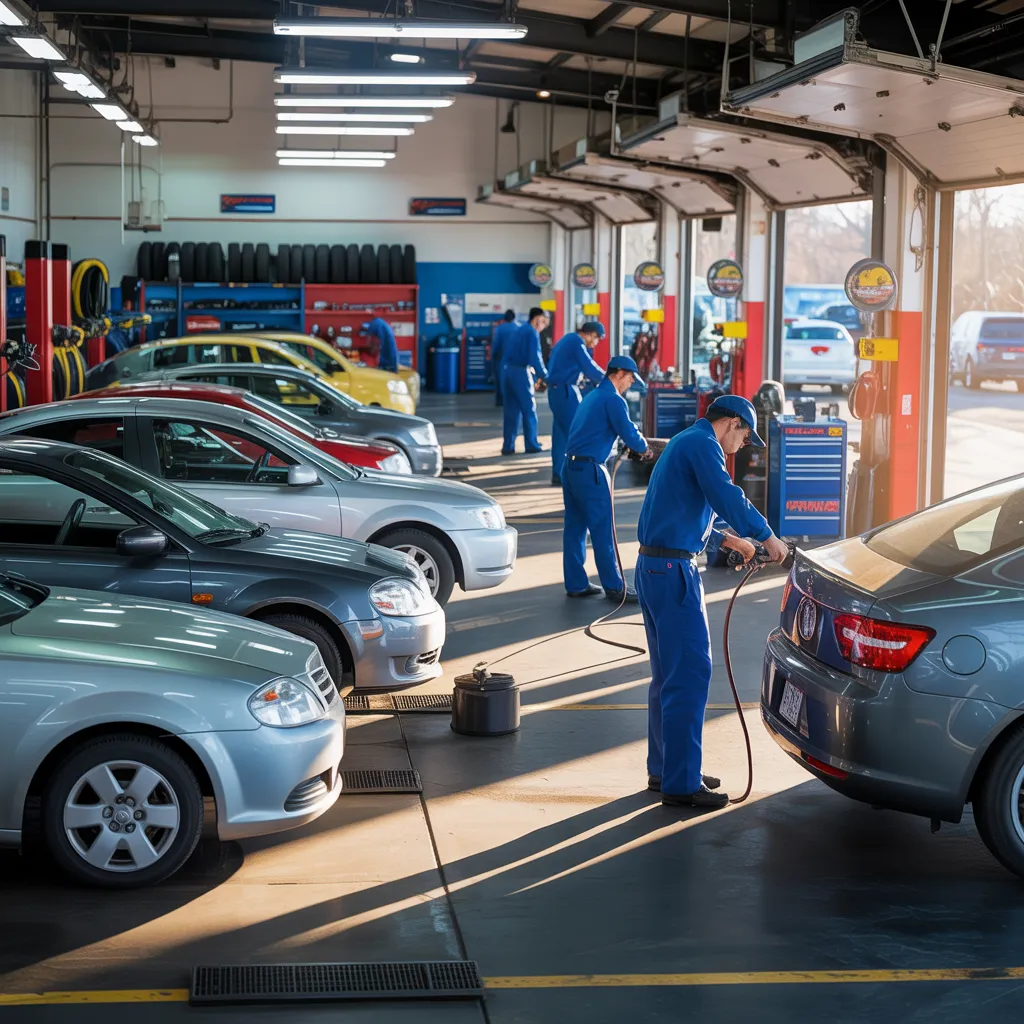
In addition to these primary tasks, technicians frequently perform a multi-point inspection, checking hoses, belts, and fluid levels for wear and tear. Technicians may additionally check the air filter and cabin filter, replacing them if necessary.
A number of repair shops offer supplementary services, such as wheel rotation, brake assessment, and even a wash or clean of the automobile's interior, boosting the overall upkeep of the vehicle. This extensive approach not only sustains engine health but also promotes the long-term performance of other key systems within the vehicle.
The Way a Full Service Oil Change Boosts Fuel Efficiency
A comprehensive oil change considerably improves fuel efficiency by ensuring optimal oil viscosity, which promotes more efficient engine operation. Furthermore, routine upkeep helps preserve engine cleanliness, decreasing the development of detrimental deposits. Moreover, lower friction levels between moving parts result in enhanced overall performance and fuel economy.
Best Oil Viscosity
Perfect oil viscosity is essential for boosting fuel efficiency. When a vehicle's engine functions with the correct oil viscosity, it ensures optimal lubrication and decreases friction between moving parts. This effectiveness decreases the energy needed to overcome resistance, enabling the engine to function efficiently and reliably. A complete oil service not only swaps out old oil with the suitable viscosity grade but also aids in uncovering any potential issues impacting performance. By maintaining the recommended oil viscosity, drivers can enjoy greater fuel economy, as the engine does not have to work as hard. Thus, a regular full service oil change can play a major role in long-term savings at the pump, serving both the wallet and the environment.
Engine Cleanliness Care
Frequent oil changes considerably boost engine cleanliness, which is vital for preserving peak fuel efficiency. Over time, engine oil collects contaminants, including dirt, debris, and combustion byproducts. These impurities can create sludge that restricts oil flow and compromises the engine's performance. By selecting a full service oil change, vehicle owners confirm that old, contaminated oil is swapped for fresh, high-quality oil, encouraging a cleaner engine environment. A clean engine operates more effectively, allowing fuel to burn more completely. This improved combustion process not only maximizes energy output but also leads to better mileage. As a result, regular maintenance promotes engine longevity, lowers the likelihood of costly repairs, and delivers a smoother driving experience overall.
Lowered Friction Levels
A key advantage of a complete oil change service is the lowering of friction within the engine. Fresh, high-quality oil effectively lubricates engine components, reducing wear and tear. This protective coating enables components to glide smoothly against each other, lowering resistance and boosting performance. When friction is reduced, the engine runs more effectively, which directly impacts fuel consumption. Studies indicate that engines with proper lubrication can achieve better fuel economy, resulting in savings for vehicle owners. Consistent oil changes sustain these low friction levels, ensuring that the engine runs at peak efficiency. Consequently, investing in a full service oil change not only prolongs engine life but also leads to enhanced fuel efficiency, making it a wise choice for vehicle owners.
Why Expert Oil Changes Are Important
Expert oil changes serve a critical role in preserving a vehicle's performance and lifespan. When conducted by certified technicians, these services confirm that the correct type and amount of oil are used, customized to the unique needs of each vehicle. This accuracy helps improve engine performance and boosts fuel economy.
Furthermore, expert oil change services frequently come with supplementary checks, such as inspecting filters and fluid levels, which can identify potential issues before they worsen. This preventive strategy minimizes the risk of costly repairs later on. Additionally, a service record from a trusted service center can be advantageous for future resale value, as it reflects a dedication to proper vehicle upkeep.
How Regular Oil Changes Can Prolong Your Vehicle's Life
Regular oil changes play an essential role in improving engine performance and maintaining optimal fuel efficiency. By reducing wear and tear on engine components, these routine services contribute considerably to the longevity of a vehicle. This preventive upkeep not only safeguards the engine but also enhances the overall driving experience.
Enhanced Engine Performance
The key to optimal engine performance lies in how often oil changes are performed, which serve a vital function in prolonging a vehicle's lifespan. Consistent oil changes help ensure that the engine functions at its best by stopping the accumulation of damaging deposits and sludge. Clean oil provides efficient lubrication to moving parts, decreasing wear and friction on engine parts. This lubrication is critical for peak engine function, enabling smoother performance across different driving conditions. Additionally, timely oil changes help in maintaining proper engine temperatures, reducing the likelihood of overheating and costly damage. By prioritizing consistent oil changes, drivers can boost overall engine performance, leading to a more reliable and responsive driving experience. Ultimately, this practice not only extends the vehicle's life but also contributes to overall driving satisfaction.
Better Fuel Performance
Oil changes not only enhance engine performance but also greatly impact fuel efficiency. Routine oil changes ensure the engine receives clean, premium-grade oil, minimizing friction between moving components. Such superior lubrication permits the engine to function more seamlessly, needing less energy to keep up its performance levels. Consequently, vehicles benefit from better fuel economy, enabling drivers to cover greater distances on every gallon of fuel. Additionally, fresh oil helps to maintain the engine's temperature, preventing overheating and guaranteeing efficient combustion. By prioritizing oil changes, vehicle owners can avoid unnecessary strain on the engine and promote more economical driving. Over time, this habit results in a prolonged vehicle lifespan and decreased fuel expenditures.
Less Wear And Tear
Regular oil changes greatly reduce deterioration on a vehicle's engine. New oil preserves optimal lubrication, safeguarding engine components from friction and excessive heat. Over time, old oil can become contaminated with dirt and debris, leading to increased friction and risk of damage. Routine oil changes ensure that the engine functions properly, minimizing the risk of costly repairs in the future. Additionally, a thoroughly lubricated engine undergoes less strain, which can extend its lifespan markedly. Routine maintenance, including oil changes, also permits technicians to discover potential issues early, continuously preserving the vehicle. Ultimately, prioritizing oil changes is a reliable strategy to preserving a vehicle's health, improving its dependability and longevity for years to come.
The Way Oil Changes Help You Save Money
Regular oil changes can greatly reduce long-term vehicle maintenance costs. By keeping the engine operating efficiently with fresh oil, vehicle owners can avoid serious problems including sludge buildup and overheating. These problems can lead to costly repairs or even engine replacement, which far exceed the modest expense of routine oil changes.
In addition, maintaining ideal engine performance through scheduled oil changes can increase fuel efficiency. A adequately lubricated engine functions more efficiently, contributing to savings at the pump over time. Furthermore, some manufacturers require proof of regular oil changes to maintain warranty coverage, shielding owners from unexpected repair costs.
Investing in a comprehensive oil change service not only enhances vehicle longevity but also reduces the chances of sudden breakdowns. Consequently, consistent oil change services function as a preventive solution, helping you save money while guaranteeing a dependable driving experience.
Recognizing When to Schedule Your Next Full Service Oil Change
How often should vehicle owners plan their next comprehensive oil change appointment? Typically, experts suggest every 3,000 to 7,500 miles, influenced by the vehicle's make, model, and the variety of oil being used. Monitoring the vehicle's oil level and quality is essential; when the oil looks murky or contains debris, an earlier oil change may be necessary. Furthermore, car owners should pay attention to how their vehicle is performing. Odd noises, lower fuel economy, or illuminated dashboard lights may be signs that an oil change is overdue. Shifting seasons may also affect the recommended oil change schedule; to illustrate, extreme cold weather during winter months can demand more frequent oil change intervals. Finally, consulting the owner's manual provides specific guidelines tailored to the vehicle, ensuring peak performance and longevity. Regularly scheduling oil changes is a proactive measure to maintain engine health and avoid costly repairs down the line.
Questions We Often Receive
Are Other Services Available During a Full Service Oil Change?
Indeed, most auto shops feature additional services during a full service oil change. These often include rotating your tires, fluid top-offs and inspections, and air filter replacements, providing a great chance for comprehensive car maintenance in one appointment.
What Type of Oil Does a Full Service Oil Change Use?
Usually, a complete oil change uses either traditional, blended synthetic, or premium synthetic oil. The option chosen relies on the car's specifications and the driver's preferences, ensuring superior performance and engine preservation during use.
How Much Time Does a Full Service Oil Change Require?
A complete oil change typically takes between half an hour to an hour, influenced by the shop's speed and supplementary services included. Variables including the type of vehicle and selected oil can also influence the duration.
Do I Need an Appointment for a Full Service Oil Change?
Booking an appointment for a full service oil change is usually suggested, allowing the service center to promptly attend to your vehicle. However, many locations also accept walk-ins, offering view this guide convenience for those who require immediate assistance.
Do Full Service Oil Changes Cost More Than Standard Oil Changes?
Complete oil changes typically cost more than basic oil changes owing to the supplementary services they encompass, including fluid checks and filter replacements. This increased cost demonstrates the comprehensive attention given to automotive upkeep.